The Ultimate Guide to Engine Diagnostics: What Your Car Is Trying to Tell You
Your vehicle communicates in many ways. Sometimes it sends a clear message through a warning light. Other times, it hints at a problem with rough idling, unusual noises, poor fuel economy, or a change in the way it accelerates.
Understanding those signals can help you respond before a small issue becomes an expensive breakdown. Engine diagnostics provides the information needed to identify what is happening and determine which repairs, if any, are necessary.
For drivers searching for engine diagnostics in Shippensburg, PA, the goal should not be simply to read a fault code. Accurate diagnosis means connecting the code to the vehicle’s symptoms, testing the related systems, and confirming the actual cause.
What Engine Diagnostics Really Means
Modern vehicles use a computer system called the engine control module to monitor engine performance, emissions, fuel delivery, ignition, and other related components. Sensors continuously send information to this computer.
When the system detects a reading outside the expected range, it may store a diagnostic trouble code and activate the check engine light. That code is useful, but it is only the beginning of the diagnostic process.
For example, a code related to an oxygen sensor does not always mean the sensor itself needs replacement. The underlying issue could involve:
- A vacuum leak
- An exhaust leak
- A wiring problem
- An incorrect fuel mixture
- A failing sensor
- Another component affecting the sensor’s reading
This is why replacing parts based only on a code can waste time and money. A professional diagnostic process looks for the reason the code appeared.
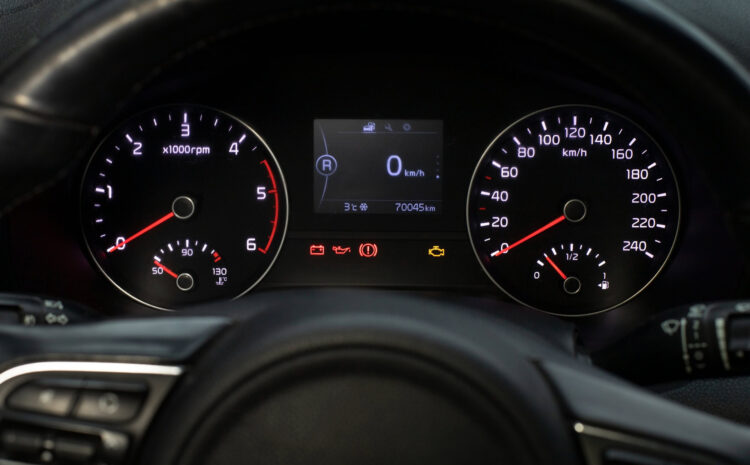
What Your Check Engine Light Is Telling You
The check engine light can indicate something relatively minor or a problem that requires immediate attention. Its behavior and the way your vehicle is running provide important clues.
A steady check engine light
A steady light generally means the vehicle has detected a fault that should be evaluated soon. Your vehicle may continue to drive normally, but that does not mean the issue should be ignored.
Possible causes include:
- A loose or damaged fuel cap
- A failing oxygen sensor
- An ignition problem
- An emissions-system leak
- A mass airflow sensor issue
- An engine misfire that has not yet become severe
Schedule a check engine light diagnosis in Shippensburg, PA as soon as practical, especially if the light remains on after checking that the fuel cap is properly tightened.
A flashing check engine light
A flashing light is more urgent. It may indicate an active misfire that can create excessive heat and damage the catalytic converter or other components.
If the light is flashing and the vehicle is shaking, losing power, or running poorly, reduce driving as much as possible. Pull over safely and arrange professional assistance rather than continuing a long trip.
Other warning signs matter too
The check engine light is only one piece of information. Pay attention to what your vehicle is doing at the same time:
- Is the engine shaking at idle?
- Does it hesitate when you accelerate?
- Is it difficult to start?
- Has fuel economy dropped suddenly?
- Do you smell fuel, oil, or coolant?
- Is there smoke from the exhaust or engine compartment?
- Are multiple warning lights appearing together?
These details help a technician narrow down the affected system more efficiently.
Common Symptoms and the Systems Behind Them
Your car’s symptoms do not provide a final diagnosis, but they can point toward areas that need testing.
| What you notice | Systems that may need inspection |
|---|---|
| Rough idle or shaking | Spark plugs, ignition coils, fuel injectors, vacuum lines, engine mounts |
| Hesitation during acceleration | Fuel delivery, ignition, air intake, throttle system, restricted exhaust |
| Hard starting | Battery voltage, starter, fuel pressure, ignition, engine timing |
| Poor fuel economy | Oxygen sensors, fuel injectors, air intake, tire condition, engine controls |
| Overheating | Coolant level, radiator, thermostat, hoses, water pump |
| Knocking or ticking | Oil level, valve train, bearings, timing components |
| Stalling | Fuel system, ignition, idle controls, electrical connections, sensors |
| Dark or unusual exhaust | Fuel mixture, oil consumption, coolant entering the combustion chamber |
A single symptom can have several possible causes. That is why testing is more reliable than guessing.
How a Professional Diagnostic Inspection Works
A thorough diagnostic service follows a logical sequence. At Dettwiler Brother’s Repair, the process combines modern tools with hands-on inspection and clear communication.
1. Discuss the concern
The first step is understanding what you have experienced. Tell the technician when the problem began, whether it happens when the engine is cold or warm, and whether it occurs during starting, idling, acceleration, or highway driving.
Mention recent repairs, fuel fill-ups, battery problems, or changes in driving conditions. Details that seem minor can help identify patterns.
2. Confirm the symptom
When safe, the technician may verify the concern through an inspection or test drive. This helps determine whether the issue is constant, intermittent, or related to a specific driving condition.
3. Perform a visual inspection
Before relying on electronic data, a technician checks the basics. This may include inspecting:
- Fluid levels and visible leaks
- Battery terminals and electrical connections
- Belts and hoses
- Wiring and sensor connectors
- Vacuum lines
- Air intake components
- Signs of overheating or previous repairs
A loose connector, damaged hose, or low fluid level can sometimes explain a warning light or driveability problem.
4. Scan the vehicle’s computer
An OBD-II diagnostic scanner connects to the vehicle’s diagnostic port, usually located beneath the dashboard. The scanner retrieves stored, pending, and active trouble codes.
It may also provide freeze-frame data, which records conditions such as engine speed, coolant temperature, and load at the moment the fault occurred.
5. Review live data
More advanced testing allows the technician to observe sensor readings while the engine is running. Information such as fuel trims, engine temperature, oxygen sensor activity, and engine speed can help distinguish between an electrical, fuel, air, emissions, or mechanical problem.
6. Test the suspected system
Once the likely problem area is identified, targeted tests are performed. Depending on the symptoms, this could include checking fuel pressure, ignition performance, electrical voltage, vacuum leaks, compression, cooling-system operation, or wiring continuity.
The purpose is to confirm the root cause before recommending a repair.
7. Verify the repair
After the repair is completed, the vehicle should be retested. The technician confirms that the original symptom is resolved, checks for returning codes, and verifies that the system is operating as expected.
Simply clearing a warning light without fixing the cause does not solve the problem.
Why Clearing the Light Is Not a Diagnosis
Disconnecting the battery or clearing codes with a scanner may turn off the check engine light temporarily. However, it does not repair the underlying issue.
It can also erase valuable diagnostic information and reset emissions monitors. If the problem remains, the light may return after the vehicle completes its self-checks.
A proper check engine light diagnosis in Shippensburg, PA should explain:
- Which code or symptom led to the inspection
- What testing was performed
- What component or system was confirmed as faulty
- Which repair options are available
- Whether the vehicle is safe to continue driving
Clear explanations help you make an informed decision instead of authorizing unnecessary work.
When to Schedule Engine Diagnostics
You do not have to wait for a breakdown to have your vehicle checked. Consider scheduling diagnostics when you notice:
- A check engine light that stays on
- A flashing warning light
- Repeated stalling or hard starting
- New engine noises or vibrations
- A sudden loss of power
- Reduced fuel economy
- Unusual exhaust smoke or odors
- Overheating or unexplained coolant loss
- Several dashboard warning lights appearing together
Early testing can identify developing problems and help protect related components. It may also reveal whether a warning is connected to engine repair, an exhaust issue, the cooling system, or another vehicle system.

Engine Diagnostics for All Makes and Models in Shippensburg
Every vehicle has its own diagnostic information, service requirements, and common failure points. Whether you drive a domestic or foreign car, truck, or SUV, accurate testing requires both the appropriate equipment and practical repair experience.
Dettwiler Brother’s Repair provides engine repair and maintenance along with general repairs and diagnostic services for all makes and models. Our mechanics combine modern diagnostic tools with traditional customer care to help identify problems accurately.
If additional work is needed, our full range of automotive services makes it easier to address related concerns in one place. You receive straightforward communication about the condition of your vehicle, recommended repairs, and expected costs before work begins.
Located at 8448 Rice Rd in Shippensburg, we serve drivers throughout Shippensburg and surrounding areas. You can also contact Dettwiler Brother’s Repair or call 717-530-7555 to discuss your vehicle’s symptoms and schedule an appointment.
Listen Before the Problem Gets Louder
Your vehicle’s warning lights, sounds, smells, and performance changes are all useful information. The sooner those signals are investigated, the better your chance of avoiding additional damage, reduced reliability, and an unexpected roadside breakdown.
Engine diagnostics is not about guessing which part to replace. It is a careful process of gathering clues, testing systems, confirming the cause, and explaining the repair clearly.
If your check engine light is on or your vehicle is behaving differently, contact Dettwiler Brother’s Repair for dependable auto repair in Shippensburg, PA. Schedule your diagnostic inspection today and let our team help you understand what your car is trying to tell you.