The Simple Trick to Improve Your Gas Mileage Right Now (It’s Not What You Think)
When fuel prices climb, many drivers in Shippensburg, PA, look for ways to stretch each tank. Some focus on driving more slowly, while others search for expensive fuel-saving gadgets or special additives.
But one of the simplest ways to improve gas mileage is already sitting in your driveway: maintain the parts that help your vehicle roll efficiently and run properly.
The best place to start is your tire pressure. From there, fresh engine oil and a clean air filter can help support efficient engine operation. These maintenance steps may not turn your vehicle into a hybrid, but they can help you avoid unnecessary fuel waste while protecting your car, truck, or SUV.
Start with the Simple Trick: Check Your Tire Pressure
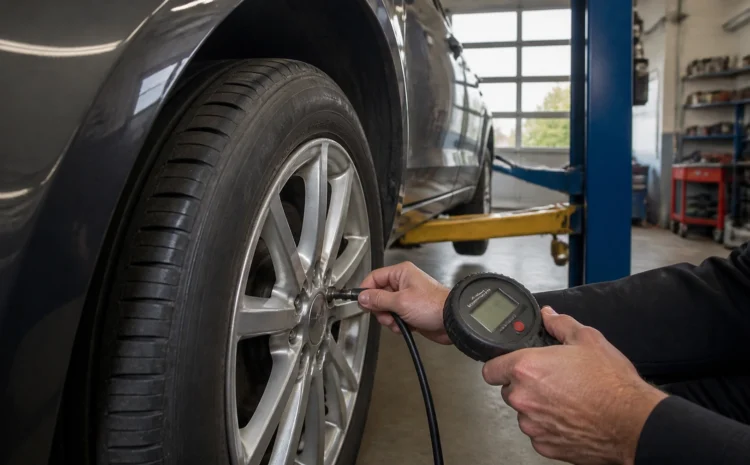
Underinflated tires create more rolling resistance. In other words, your engine has to work harder to move the vehicle down the road. That extra effort can reduce fuel economy and place additional stress on the tires.
The U.S. Department of Energy notes that keeping tires properly inflated can improve gas mileage by up to several percent, depending on how underinflated they are. That may sound modest, but the savings can add up over weeks and months of regular driving.
Proper tire pressure also helps with:
- Tire tread life
- Braking performance
- Steering response
- Ride comfort
- Vehicle stability
- Protection against premature tire damage
Use the Recommended Pressure: not the Number on the Tire
Your vehicle’s correct tire pressure is usually listed on a sticker inside the driver’s door or in the owner’s manual. This is the number to follow.
The maximum pressure printed on the tire sidewall is not necessarily the recommended pressure for your vehicle. It represents a limit for the tire, not the ideal setting for your specific car or truck.
For the most accurate reading:
- Check the tires when they are cold.
- Use a reliable tire-pressure gauge.
- Check all four tires, including the spare when appropriate.
- Inspect for visible damage or uneven wear.
- Adjust pressure according to the vehicle manufacturer’s specification.
Tires naturally lose air over time, even when there is no obvious puncture. Seasonal temperature changes can also affect pressure. A quick monthly check: and a check before a longer trip: can help you catch a problem early.
If your tire-pressure warning light comes on, do not ignore it. The light may indicate a slow leak, a puncture, or a significant pressure imbalance. A visit to a local shop for tire services in Shippensburg can help identify the cause before it becomes a safety issue.
Fresh Oil Helps the Engine Work Efficiently
Your engine contains many moving parts that operate under heat and pressure. Engine oil lubricates those parts, helps control friction, and carries away some of the heat and contaminants produced during operation.
As oil ages, it can become contaminated or lose some of its ability to protect engine components. That does not mean an overdue oil change will instantly cause poor gas mileage, but it does mean your engine may not be operating under ideal conditions.
Using the correct oil and following the vehicle manufacturer’s maintenance schedule can help support:
- Smooth engine operation
- Proper lubrication during cold starts
- Reduced internal friction
- Better protection for engine components
- Long-term engine reliability
The Correct Oil Grade Matters
Motor oil is not one-size-fits-all. Vehicles are designed for specific oil viscosities and performance specifications. Using oil that is thicker than recommended may increase resistance inside the engine, while using oil that does not meet the manufacturer’s requirements can reduce protection.
Always check your owner’s manual or service information before choosing oil. If you are unsure what your vehicle needs, a qualified technician can verify the correct specification.
For drivers searching for an oil change in Shippensburg, PA, Dettwiler Brother’s Repair can help with routine maintenance for domestic and foreign cars, trucks, and SUVs. An oil service is also a useful opportunity to check fluid levels, inspect for leaks, and look for other maintenance concerns before they become more expensive repairs.
A Clean Air Filter Supports Proper Airflow
Your engine needs the right balance of air and fuel to operate properly. The engine air filter helps keep dirt, dust, and debris from entering the intake system.
A dirty or heavily restricted filter can reduce airflow. On many modern fuel-injected vehicles, the engine computer can compensate for some changes in airflow, so replacing an air filter does not always produce a dramatic fuel-economy improvement. However, a severely clogged filter can affect performance and engine efficiency.
A clean, correctly specified filter can help support:
- Consistent airflow
- Smooth acceleration
- Proper engine performance
- Protection against abrasive contaminants
- Reliable operation in dusty conditions
Air-filter replacement intervals vary by vehicle and driving conditions. If you regularly drive on gravel roads, in dusty areas, or through construction zones around Shippensburg, your filter may need inspection more often than the standard schedule suggests.

Why These Three Services Work Better Together
Tire pressure, engine oil, and air filters affect different parts of your vehicle, but they all contribute to efficient operation.
- Properly inflated tires reduce rolling resistance.
- Correct, fresh oil helps moving engine components stay lubricated.
- A clean air filter helps the engine receive the airflow it needs.
None of these services is a magic solution for every fuel-economy concern. If your mileage has changed suddenly, the cause could be an engine issue, a dragging brake, a failing sensor, poor wheel alignment, or a fuel-system problem.
That is why maintenance should include more than simply topping off fluids or resetting a warning light. A professional inspection can help determine whether your vehicle is losing efficiency because of a basic maintenance need or an underlying repair issue.
Other Habits That Can Help You Save Fuel
Once your vehicle is properly maintained, your driving habits also matter. Consider these additional ways to reduce unnecessary fuel use:
Avoid Aggressive Acceleration
Rapid starts and hard acceleration require more fuel. Smoothly building speed is generally easier on the engine and can improve fuel economy during everyday driving.
Keep Highway Speeds Reasonable
Fuel consumption often increases as speed rises, especially at highway speeds. Using a steady pace and avoiding unnecessary speeding can help you get more miles from a tank.
Remove Unnecessary Weight
A trunk full of unused equipment, tools, or heavy items adds weight that your vehicle must carry. Removing items you do not need can make a small difference over time.
Limit Excessive Idling
Idling uses fuel without moving the vehicle. If you are waiting for someone or stopped for an extended period, shutting off the engine may save fuel when conditions allow.
Address Warning Lights Promptly
A check-engine light or other warning indicator can point to an issue affecting engine operation. Continuing to drive without diagnosing the problem may lead to poorer performance or a more expensive repair.
A Practical Fuel-Economy Checkup in Shippensburg
If you want to improve gas mileage, you do not need to start with an expensive upgrade. Begin with the basics:
- Check your tire pressure while the tires are cold.
- Look for uneven tread wear or signs of a slow leak.
- Confirm that your oil-change service is up to date.
- Verify that the engine is using the correct oil grade.
- Inspect the engine air filter.
- Pay attention to warning lights, unusual noises, or changes in performance.
- Schedule an inspection if your fuel economy has dropped suddenly.
At Dettwiler Brother’s Repair, our team provides preventive maintenance, oil services, tire checks, diagnostics, and general repairs for vehicles of all makes and models. We focus on clear communication and honest recommendations, so you can understand what your vehicle needs and what can wait.
Improve Efficiency Before a Summer Road Trip
Before heading out on a summer trip from Shippensburg, take a few minutes to check the items that are easiest to overlook. Correct tire pressure, fresh oil, and a clean air filter can help your vehicle operate as efficiently as possible. They can also give you a better chance of catching small problems before they interrupt your plans.
If you are due for maintenance or want to investigate a sudden drop in gas mileage, contact Dettwiler Brother’s Repair. Schedule your next service with a trusted local auto repair shop in Shippensburg, PA, and let us help keep your vehicle efficient, reliable, and ready for the road.