
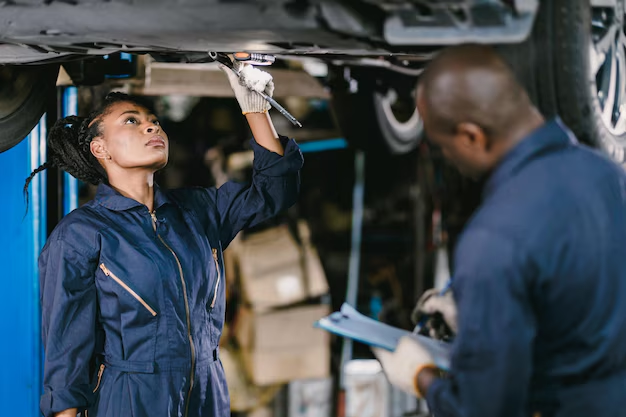
Preparing Your Car for Long Road Trips: Tips from Shippensburg Mechanics
Embarking on a long road trip can be an exciting adventure, but it requires some preparation to ensure your vehicle is up to the task. Whether you’re headed to the mountains or the beach, making sure your car is ready can prevent breakdowns and keep your journey smooth and enjoyable. Here in Shippensburg, PA, mechanics at Dettwiler Brother’s Repair share their top tips for getting your car road-trip-ready.
The Importance of a Pre-Trip Inspection
Before hitting the road, a pre-trip inspection is crucial to identify any potential issues that could lead to trouble. This is the first step in ensuring vehicle readiness for a long journey. Imagine setting off on a cross-country drive only to find yourself stranded on a remote highway due to a preventable issue. A thorough inspection can help avoid such scenarios.
Checking Under the Hood
Start by inspecting the engine compartment. Look for any signs of leaks, worn belts, or cracked hoses. For instance, a small coolant leak might seem insignificant in your daily commutes but can lead to overheating when driving for extended periods. Ensure that all fluid levels—such as oil, coolant, and brake fluid—are at their optimal levels. Low oil can cause engine damage over long distances, leading to costly repairs. It’s also wise to check the battery for corrosion and ensure it has a good charge. A sudden battery failure in a remote area could require a tow.
Preventative Maintenance Tips
To avoid these issues, regularly check fluid levels and top them up as needed. Consider investing in a basic toolkit and spare fluids for emergency top-ups. Regularly clean battery terminals to prevent corrosion.
Inspecting the Brakes
Brakes are one of the most critical safety features of your vehicle. Listen for any unusual noises when braking and check the brake pads for wear. Worn brake pads can significantly reduce stopping power and cause rotor damage. If you’re unsure, it’s best to have a professional at Dettwiler Brother’s Repair assess them.
Deeper Dive
Brakes work by converting kinetic energy into thermal energy through friction. Over time, this friction wears down the brake pads, necessitating regular checks and replacements. Keeping your brakes in top condition not only ensures safety but also prolongs the lifespan of your rotors and other braking components.
Tire Care and Maintenance
Your tires are your car’s only contact with the road, so they must be in excellent condition. Proper tire care can prevent blowouts and improve fuel efficiency. Imagine driving through a desolate stretch of road when a tire suddenly blows out—regular maintenance can prevent such dangerous and inconvenient situations.
Tire Pressure and Tread
Check your tire pressure and adjust it according to the manufacturer’s specifications. Under-inflated tires can reduce gas mileage and lead to overheating. Over time, this can cause premature tire wear or, worse, a blowout. Additionally, inspect the tread depth to ensure it’s within safe limits. Bald tires are prone to slipping, especially on wet roads. If your tires are worn, consider replacing them before your trip.
Preventative Maintenance Tips
Regularly rotate your tires to ensure even wear, and check pressure every month. Investing in a quality tire gauge can help maintain optimal tire pressure and prevent premature wear.
Alignment and Rotation
Misaligned wheels can cause your vehicle to pull to one side, leading to tire wear and increased fuel consumption. Have your alignment checked and consider rotating your tires to ensure even wear. Misalignment issues might not be immediately noticeable, but can lead to uneven tire wear and decreased handling capability.
Lights and Electronics
A long road trip often means driving at night or in adverse weather conditions, so all lights and electronics must function correctly. Picture driving through a foggy mountain with faulty headlights—it’s not just inconvenient but dangerous.
Headlights and Taillights
Ensure that all exterior lights, including headlights, taillights, and turn signals, are working properly. Replace any burned-out bulbs to maintain visibility and communication with other drivers. Malfunctioning lights can lead to accidents or fines, adding unnecessary stress and cost to your trip.
Deeper Dive
Headlights are vital for night driving and poor weather conditions, while taillights help other drivers see you. Turn signals communicate your intentions, reducing the risk of collisions. Regular checks and prompt replacements can prevent accidents and ensure compliance with traffic laws.
Dashboard Indicators
Pay attention to any warning lights on your dashboard. If any indicators are lit, it’s essential to diagnose and resolve these issues before departure. Ignoring a check engine light could lead to expensive repairs down the road.
Cost Considerations
Diagnostic services to check engine lights typically range from $80 to $100, a worthwhile investment to avoid more costly repairs later.
Preparing the Interior
A comfortable and organized interior can make your trip more enjoyable. Consider these tips to prepare your car’s cabin for the journey. A clutter-free environment not only boosts comfort but can also enhance focus and reduce stress.
Cleaning and Organizing
Remove unnecessary items to maximize space and improve fuel efficiency. For example, carrying around extra weight like unused sports equipment can reduce your miles per gallon. Organize your essential items, such as maps, snacks, and water, within easy reach. This organization can save time and reduce distractions on the road.
Preventative Maintenance Tips
Regularly clean and declutter your car’s interior to maintain a pleasant and efficient driving environment. This habit not only keeps things organized but also helps identify any potential issues with the car’s interior features.
Emergency Kit
It’s wise to have an emergency kit in your car, including a first aid kit, flashlight, jumper cables, and basic tools. This can be a lifesaver in case of unexpected incidents on the road. Imagine having a flat tire in the middle of nowhere—being prepared can turn a potentially dangerous situation into a minor inconvenience.
Practical Examples
Consider including a reflective vest and road flares in your kit for added safety during roadside emergencies, especially at night or in low-visibility conditions.
Planning for Weather Conditions
Weather can be unpredictable, so it’s crucial to prepare for a variety of conditions. Imagine setting out on a sunny day only to encounter a sudden snowstorm—you’ll want to be ready for anything.
Seasonal Considerations
In winter, ensure your car’s heating system is working well and that you have a snow scraper and de-icer. In summer, check the air conditioning and carry extra water to stay hydrated. A malfunctioning AC can turn a summer road trip into an uncomfortable experience, while a faulty heater in winter can be downright dangerous.
Cost Considerations
Checking and servicing an air conditioning system can range from $100 to $300, while heating system repairs might cost more, depending on the issue.
Windshield and Wipers
Inspect your windshield for cracks or chips and ensure your wipers are in good condition to handle rain or snow. Visibility is crucial for safe driving, and damaged wipers or windshields can severely impair it.
Preventive Maintenance Tips
Regularly clean your windshield and replace wipers annually to ensure clear visibility. Address small chips or cracks immediately to prevent them from spreading.
Fuel and Efficiency Tips
Fuel efficiency is essential for long trips, saving you money and reducing the number of stops. Consider a scenario where frequent fuel stops disrupt your trip and inflate costs—efficient driving habits can mitigate this.
Fueling Up
Fill your tank before you leave and plan your refueling stops. Using apps to find the cheapest fuel prices along your route can also help save money. A well-planned route can prevent unnecessary detours and ensure you’re never far from a fuel source.
Deeper Dive
Fuel economy is influenced by various factors, including driving habits, tire condition, and vehicle maintenance. Understanding these can help optimize your car’s performance and your travel budget.
Driving Habits
Adopt smooth driving habits such as gradual acceleration and braking to improve fuel efficiency. Using cruise control on highways can also conserve fuel. Aggressive driving not only decreases mileage but also increases wear on your vehicle.
Preventive Maintenance Tips
Regularly service your vehicle to maintain optimal performance and fuel efficiency. A well-tuned engine and properly inflated tires can significantly enhance fuel economy.
Local Expertise and Resources
In Shippensburg, PA, Dettwiler Brother’s Repair is here to help with all your pre-trip inspection needs. Our experienced mechanics can ensure your vehicle is in top condition for your journey. With their expertise, you can embark on your trip with confidence, knowing your vehicle is road-trip-ready.
Ready to hit the road? Contact us today to schedule a comprehensive vehicle readiness check and enjoy peace of mind on your next adventure. Let’s make your journey as smooth and safe as possible!